Specimen sheets from the cupboard
The plates
Workforce productivity insights leave this room as paper: bars, grids, annotated plans. Below are the kinds of plates a briefing, census, or walk may contain — not screens, and not a catalogue you click through.

A plate is a sheet of paper with a figure and a caption. We ink them in the Kazbegi Avenue room under a lamp that makes the burnt edges of old file copies look like a warning: do not pretty a week. Clients sometimes ask for a glowing screen. We send them back to the bound set. A supervisor who can hold Friday in two hands is harder to talk past.
The specimens here are types, not your floor. Your bays, your dock numbers, your canteen kettle will be lettered as they are lettered on the wall. If a plate cannot be understood without us in the room, it is not finished. Studies lists which engagement produces which kind of sheet.
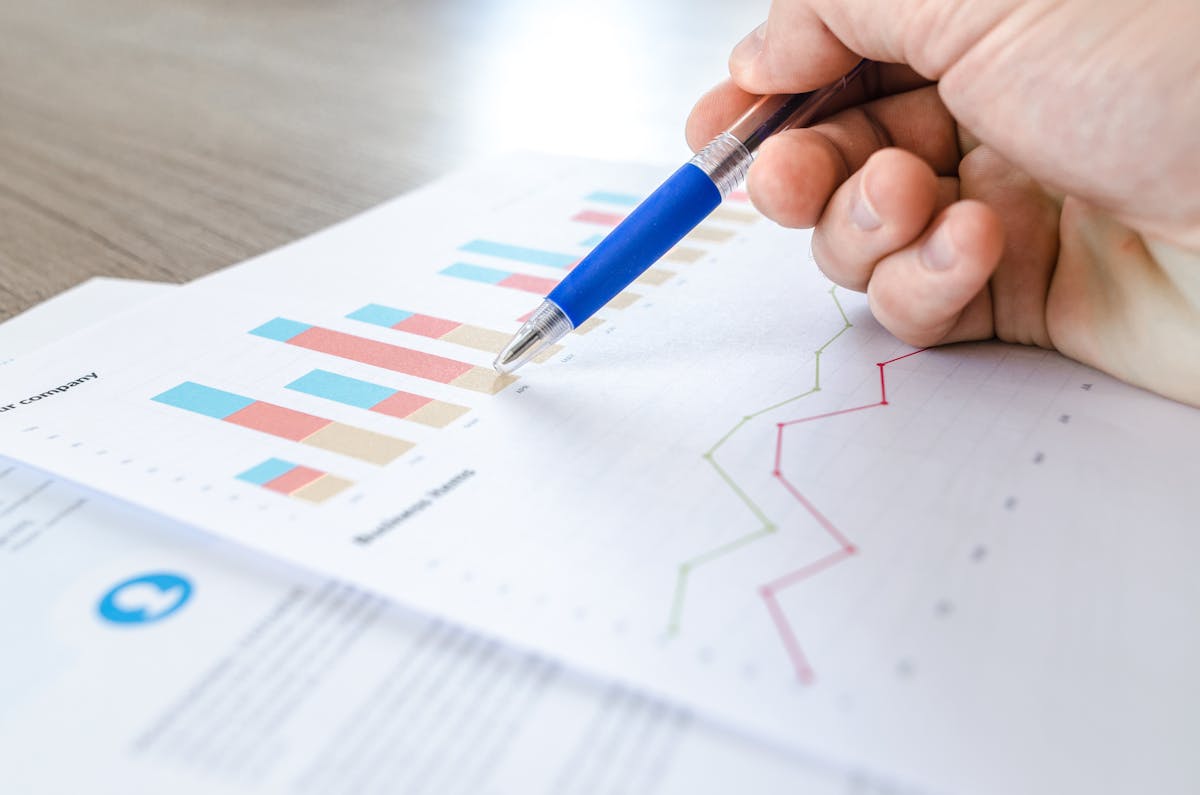
Shift-load grid
Columns for shifts, rows for bays. A stain where a handoff failed. Built for a census week, not for a speech.

Idle-minute map
Extra hours and still time pinned to a dock, a table, a counter. Captions name the waiting, including another firm’s truck.

Absence columns
Mondays as a shape, without a name beside a bar. Stewards see this plate before a sitting if they ask.

Output against hours
What left the door, set beside who was present. Useful when a thin evening crew is blamed for a thick day’s leftover.

Annotated floor plan
Routes a picker already walks, crates that have become furniture, a shared tool drawn twice because it is needed twice.
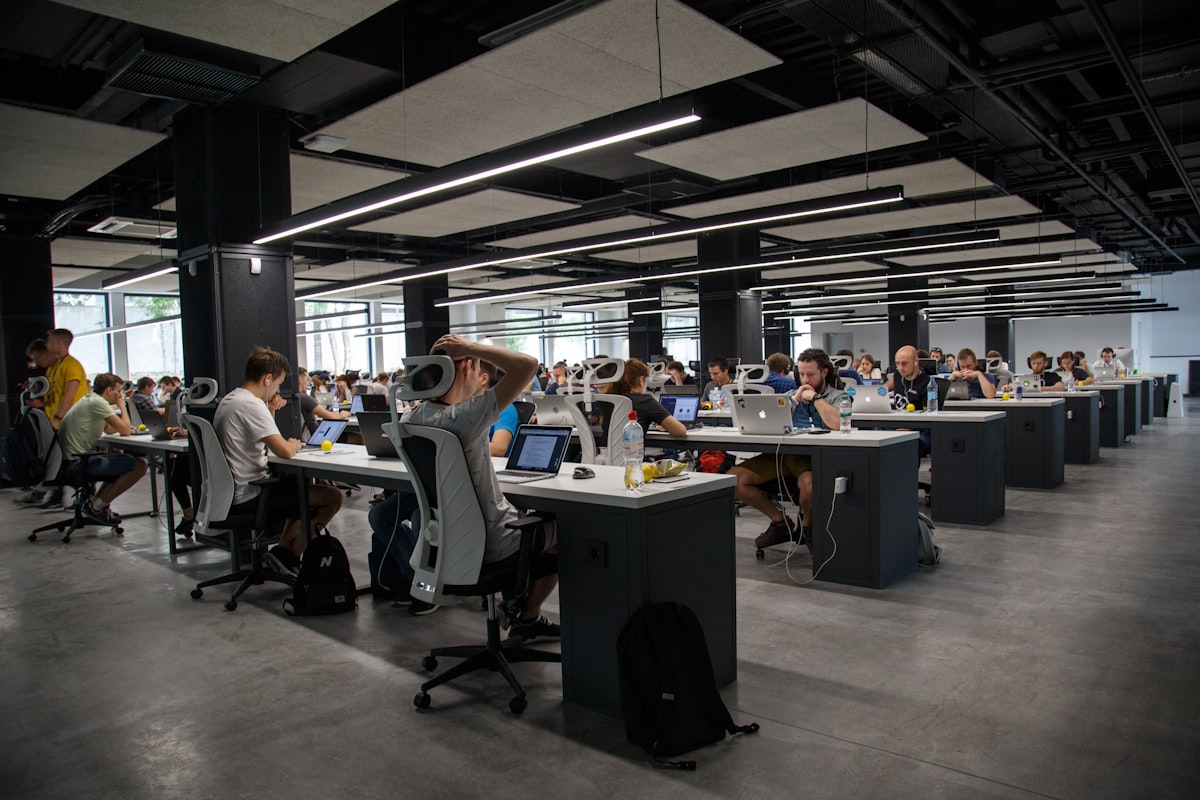
Friday pile-up sheet
A single crowded page for the day everyone already hates. Hung in canteens more often than in board rooms.